Easy Asian Rice Recipe Explained
There’s something about rice that just feels like a warm hug, right? I remember sitting around the dinner table as a kid, my mom always serving fluffy, perfectly cooked Asian rice that seemed to soak up all the flavors of our stir-fries and curries. It’s honestly one of those foods I can’t live without — even on busy weeknights, I always turn to this simple yet incredible dish. No matter how many fancy recipes I try, nothing beats the kind of rice that’s just right: tender, slightly sticky, and subtly fragrant. I’ve tested dozens of methods, and trust me, I’ve cracked the code on making this in a way that’s foolproof — I promise, it’s easier than you think. Plus, it’s perfect for everything from cozy family dinners to quick meal prep. You’re going to love how versatile and unpretentiously delicious this Asian rice can be. Grab your rice cooker or pot — let’s get started!
What is Asian rice?
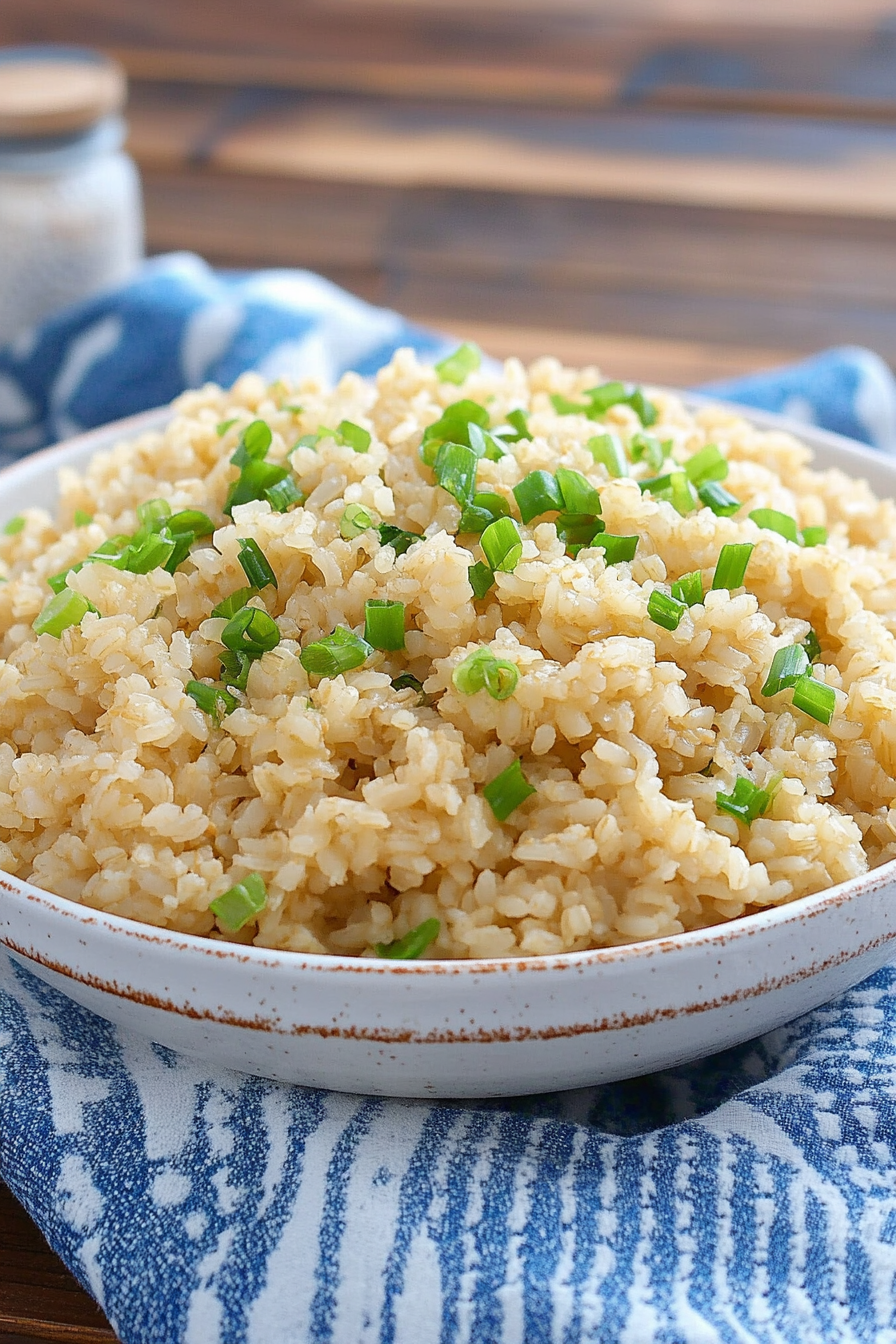
Think of Asian rice as the heart and soul of a thousand comfort-filled meals from countries like Japan, China, Korea, and Thailand. The term might sound broad, but it mostly refers to short to medium-grain rice that’s known for its sticky, slightly chewy texture — perfect for picking up with chopsticks or pairing with flavorful stews and curries. It’s essentially the staple that turns a simple bowl of rice into something special because of its unique texture and aroma. While you can find different varieties, I find that jasmine and sushi rice are my go-tos for achieving that perfect balance of fluffiness and stickiness. It’s a humble dish, but when cooked right, it elevates even the simplest ingredients into a nourishing feast. And the best part? It’s so adaptable — whether you’re making fried rice, sushi, or a cozy rice bowl, this rice is your canvas.
Why you’ll love this recipe?
What I love most about this Asian rice is how it effortlessly transforms a meal. The flavor—subtle yet fragrant, thanks to just a hint of jasmine or other traditional rice varieties—makes everything taste better. Honestly, I’ve made this a hundred times, and it never fails to come out just right. Plus, it’s incredibly simple — I always do this when I need a quick, satisfying side dish that can hang out in the fridge for a few days. This rice is budget-friendly, too; you only need a handful of pantry staples and some patience. And talk about versatility! From fried rice to rice bowls topped with sautéed greens and protein, this is the foundation for countless meals. My kids ask for this all the time — it’s become a family favorite for lazy Sunday dinners and packed lunches. Trust me, once you get the hang of it, you’ll be wondering how you ever cooked rice any other way! Its forgiving nature and delicious results make it a kitchen essential I’ll always keep in my back pocket.
How do I make Asian rice?
Quick Overview
This recipe is all about simplicity. Whether you’re using a rice cooker or a pot, the goal is fluffy, slightly sticky rice that’s perfectly cooked every time. I find that rinsing the rice until the water runs clear helps remove excess starch, preventing clumps. The key is in the water-to-rice ratio — a little less water than you might expect, which makes the rice tender but not mushy. After rinsing, you bring it to a gentle simmer, cover tightly, and let it cook undisturbed. Then, a quick fluff with a fork, and voilà — rice perfection in minutes. The best part? You can easily customize the aroma and flavor by adding a splash of bay leaf, a few slices of ginger, or even a teaspoon of sesame oil at the end. It’s almost impossible to go wrong, and I’ll share all my secret tips below to make sure your rice turns out just right, every single time.
Ingredients
For the main rice: What is the best way to prepare it?
– 2 cups jasmine rice (or sushi rice, based on what you prefer)
– 2 1/4 cups water (adjust slightly for your stove or rice cooker)
– 1/2 teaspoon salt (optional but enhances the flavor)
Optional Aromatics & Flavor Boosters:
– 1 teaspoon sesame oil or a small piece of kombu seaweed for extra umami
– 1 small piece of ginger, sliced
– 1 bay leaf
For Serving:
– Fresh herbs like cilantro or scallions
– Drizzle of soy sauce or a squeeze of lime
– Hot sauce or chili flakes for a kick
Step-by-Step Instructions
Step 1: Preheat & Prep Pan
If you’re using a pot instead of a rice cooker, start by rinsing your rice thoroughly in cold water. Use a fine mesh strainer and rinse until the water runs clear — this removes excess starch and prevents sticky clumps. Then, set your pot with a tight-fitting lid on the stove over medium heat. Never skip rinsing — trust me, your final rice will thank you. If you’re using a rice cooker, just measure and rinse directly in the cooker bowl, then set it to cook.
Step 2: Mix Dry Ingredients
In the rice cooker or pot, add the rinsed rice and salt. Stir around gently to distribute evenly. If you’re adding aromatics like ginger or bay leaf, toss those in now. This is such a simple step, but it sets the stage for flavor and ensures even cooking from the inside out.
Step 3: Mix Wet Ingredients
Measure out your water — I’ve found that 2 1/4 cups for 2 cups of rice works perfectly in my stove, but if your rice cooker or stovetop runs hot or cold, don’t be afraid to tweak a little. For an extra flavor boost, I sometimes add a teaspoon of sesame oil to the water, which gives the rice a nutty aroma. Pour the water into the rice and aromatics, then give everything a gentle stir to incorporate.
Step 4: Combine
Bring the mixture to a gentle simmer. Cover with your tight lid and reduce to low heat immediately. Resisting the urge to peek is key here — letting it cook undisturbed for about 15-20 minutes (depending on your stove or rice cooker instructions) ensures fluffy, evenly cooked rice.
Step 5: Prepare Filling (Optional)
If you want to turn this rice into fried rice or a rice bowl, now’s the time to prepare your fillings — sautéed vegetables, cooked chicken, tofu, or whatever you like. My favorite is scrambled eggs folded into hot rice with a splash of soy. The beauty is, this rice absorbs flavors like a sponge, making every bite full of deliciousness.
Step 6: Layer & Swirl
Once the rice is cooked, don’t lift the lid immediately. Let it sit off the heat for 5 minutes to finish steaming. Then, open the lid and fluff gently with a fork or rice paddle. If you’re adding toppings or swirling in some extra soy or sesame oil, do it now for maximum flavor. This is where you can get creative — maybe swirl some chili oil in for heat or fold in chopped scallions for freshness.
Step 7: Bake
Actually, no baking needed! Just perfect steaming and fluffing. That’s the trick. If you’re making sushi rice, a quick vinegar rinse mixed in after cooking gives it that signature tang. For fried rice, you can refrigerate the rice for a couple of hours to dry it out slightly — this helps it fry better and prevents clumping.
Step 8: Cool & Glaze
If you’re making a glazed rice or a sticky rice dessert, allow the rice to cool slightly first. For sweet dishes like mango sticky rice, a drizzle of coconut milk or sweetened condensed milk makes the flavors pop. I usually prefer to serve the rice warm or at room temperature — it’s just more comforting in my book.
Step 9: Slice & Serve
Use a gentle slicing motion to serve the rice, especially if it’s sticky or part of a layered dish. For prettier presentation, sprinkle chopped herbs, sesame seeds, or a light drizzle of soy sauce. It’s such a forgiving dish — once you master the basics, you’ll start experimenting with flavors and textures, making every meal feel unique and personal.
What to Serve It With
This rice is the perfect base for so many dishes. Think of it as a blank canvas ready for some Asian-inspired flair. For breakfast, I love pairing it with a soft-boiled egg, a dash of soy, and some sliced scallions — it wakes up your taste buds instantly. For brunch, serve it alongside crispy spring rolls or steamed dumplings, with hot jasmine tea to match. As a dinner side, it shines with stir-fried vegetables, teriyaki chicken, or even spicy kimchi stew. If you’re craving comfort, a simple bowl of rice topped with scrambled eggs and a splash of soy is pure heaven. My family often requests rice bowls with shredded beef, pickled vegetables, and a fried egg — it’s a crowd-pleaser and fills everyone up without fuss. I always keep a batch in the fridge because it’s so good reheated or transformed into fried rice in minutes. No matter how you enjoy it, this Asian rice will quickly become your kitchen staple, just like it is at my house!
Top Tips for Perfecting Your Asian Rice
After dozens of tries, I’ve gathered some nuggets of wisdom to help make your rice flawless every time. First, always rinse thoroughly to remove excess starch — it’s the magic trick that keeps your rice from turning into a sticky mess. I’ve tested rinsing with cold water and even slightly warmer water to see if it affects the outcome; honestly, cold water works best for me. When it comes to water ratio, I’m a firm believer that slightly less water yields fluffier rice — but don’t go overboard; you don’t want dry grains. I once added a slice of kombu seaweed during cooking, and it infused a subtle umami flavor that elevated the whole dish — trust me on this! If you want a glossier finish, fold in a splash of sesame oil after cooking. Beware of overmixing — a gentle fluff is all you need. For the swirl effect in layered rice dishes, use a skewer or toothpick to create beautiful patterns. And don’t forget: every stove is different, so keep notes on how long it takes to cook your rice perfectly. I learned that my old stove needed a bit more time, so I adjusted accordingly — patience pays off! Lastly, if you want a less sticky rice for fried rice, spread the cooked rice on a baking sheet and let it cool in the fridge for 15-20 minutes — it dries out edges just enough. Over time, I’ve learned that small tweaks in technique make all the difference in that perfect fluffy, fragrant grain.
Storing and Reheating Tips
If you have leftovers (which I doubt, because it disappears quickly in my house!), store the rice promptly. For short-term storage, an airtight container in the fridge keeps it fresh for up to 4 days. I always try to spread the rice out in a thin layer — this helps it cool evenly and prevents clumping. To reheat, I prefer the microwave — cover with a damp paper towel to keep it moist — or stir-fry in a hot skillet with a splash of water or oil. For longer storage, freezing rice works great. Just pack it into freezer-safe bags, removing as much air as possible. When you’re ready to reheat, let it thaw overnight in the fridge or reheat straight from frozen in a skillet or microwave. I’ve found that adding a teaspoon of water during reheating prevents dryness. Now, if you plan to make fried rice later, make sure to cool the cooked rice completely before refrigerating or freezing — this makes the stir-frying process much easier without the rice turning into mush. And if you’re topping your leftovers with fresh herbs or a squeeze of lime, wait until reheating to keep those flavors vibrant. Honestly, proper storage and reheating are what make leftovers taste just as good — if not better — than when freshly made.
Frequently Asked Questions
Final Thoughts
I honestly can’t see a world where a pot of perfectly cooked Asian rice doesn’t brighten up any meal. It’s simple, unassuming, but so vital — a little staple that anchors every dish with warmth and comfort. Growing up, I always looked forward to those sticky, fragrant bowls with a bit of soy, a sprinkle of scallions, and maybe a fried egg on top. Now, as an adult, I realize how much love and technique go into making that one perfect batch. Whether you’re aiming for fluffy sushi rice or a sticky dessert rice, mastering this foundation is such a game-changer. The best part? It’s adaptable and forgiving — trust me, you’ll mess up a few times before nailing that ideal texture, but every mistake is a lesson. So grab your rice, some broth or water, and get ready to create something that’ll become your new comfort food standard. Happy cooking! And I’d love to hear how yours turns out — feel free to leave a comment or share your own twists. Cheers to good food and cozy nights in!
Simple Asian Rice
Ingredients
Method
- Combine the rice and chicken stock in a large saucepan or skillet, cover with a lid, and bring to a boil. Reduce the heat to low and simmer for 18 minutes.
- At the end of the cooking time, stir the rice and check for tenderness. If liquid has been absorbed, drizzle with soy sauce and sesame oil and toss to coat.
- Add frozen peas if desired, stir to combine. Heat will cook peas in a minute or two. Taste and add salt if needed. Add green onions, stir, keep covered until ready to serve.