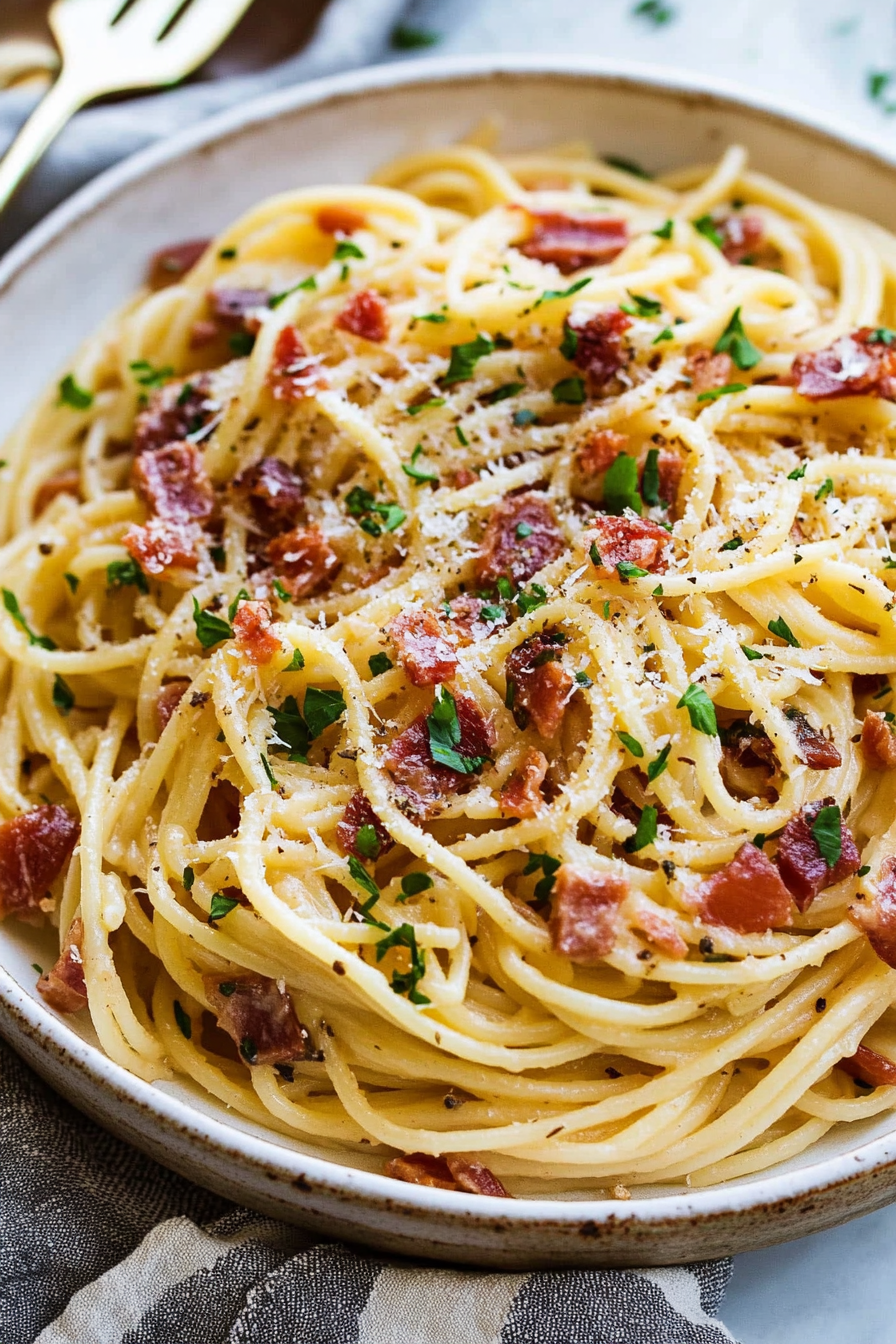
Creamy Italian Pasta Perfection
Oh, Pasta Carbonara. Just the name conjures up images of cozy Italian trattorias, the scent of pecorino filling the air, and that incredibly satisfying, creamy texture that coats every strand of spaghetti. This isn’t just a dish; it’s a warm hug in a bowl, a culinary masterpiece that feels both luxurious and surprisingly approachable. For years, I’ve tinkered, experimented, and frankly, made a few mistakes (hello, scrambled egg pasta!), but I’ve finally landed on a Pasta Carbonara recipe that I can honestly say is foolproof. It’s the one I turn to when I need a quick weeknight dinner that feels special, or when I want to impress guests without spending hours slaving away in the kitchen. It’s truly a lifesaver, and the smell that wafts from the pan as it comes together? Pure magic. Forget those heavy cream versions you might have tried; this is the real deal, the authentic Roman way, and it’s so much simpler than you might think.
What is Pasta Carbonara?
So, what exactly is this beloved Italian classic? Pasta Carbonara is a Roman pasta dish that, at its heart, is a celebration of simple, high-quality ingredients. The name itself is thought to come from “carbone,” meaning coal, perhaps referencing the charcoal dust that might have fallen onto the pasta of coal miners, or maybe it’s just a more poetic nod to its rustic origins. The magic of Carbonara lies in its incredibly rich and creamy sauce, achieved not with cream, but with a silky emulsion of eggs, Pecorino Romano cheese, rendered guanciale (cured pork jowl), and a good amount of freshly ground black pepper. It’s a dish that relies on technique as much as ingredients, transforming a few humble components into something truly spectacular. Think of it as the ultimate comfort food, elevated to an art form through thoughtful preparation.
Why you’ll love this recipe?
Honestly, what’s not to love about this Pasta Carbonara? Let me count the ways! First and foremost, the FLAVOR. It’s an explosion of savory, salty, peppery goodness that’s utterly addictive. The crispy, rendered guanciale adds a depth of flavor that you just can’t get with bacon, and the sharp, nutty Pecorino Romano is essential. The combination of fresh eggs and starchy pasta water creates a sauce that’s unbelievably creamy and luscious – no dairy required! It’s a testament to how a few well-chosen ingredients can create something so complex and satisfying. Secondly, the SIMPLICITY. Once you get the hang of it, this dish comes together in under 30 minutes. Seriously! It’s perfect for those nights when you’re craving something delicious but don’t have a lot of time or energy. The ingredients are usually things you can keep stocked in your pantry and fridge, making it a wonderfully COST-EFFECTIVE option too, especially considering how gourmet it tastes. And finally, its VERSATILITY, in a way. While the traditional Roman Carbonara is perfection, you can slightly tweak it. I’ve even experimented with using a little bit of smoked pancetta if guanciale is hard to find, and while it’s not *exactly* the same, it’s still fantastic. This recipe is my go-to when I need a quick, impressive meal that always gets rave reviews. It’s a dish that truly sings with quality ingredients.
How do I make Pasta Carbonara?
Quick Overview
This Pasta Carbonara is all about creating a silky, emulsified sauce using egg yolks, Pecorino Romano cheese, and the rendered fat from guanciale, all brought together with the starchy pasta water. The key is to work quickly and temper the heat properly to avoid scrambling the eggs. You’ll cook your pasta, render the guanciale until crispy, then combine everything off the heat with the egg and cheese mixture. The result is a rich, flavorful sauce that coats every strand of spaghetti beautifully. It’s honestly one of the most satisfying quick meals you can whip up.
Ingredients
For Pasta Base: For Pasta Base: For Pasta Base: For Pasta Base: For Pasta Base: For Pasta Base
- 1 pound (450g) high-quality spaghetti or bucatini. I swear by bronze-cut pasta for its rough texture that sauce clings to beautifully.
- Sea salt for the pasta water. Don’t be shy! It should taste like the sea.
For the Guanciale and Egg Mixture:
- 6 ounces (170g) guanciale (cured pork jowl), cut into ¼-inch lardons. If you absolutely can’t find guanciale, good quality pancetta is the next best thing, but try to find guanciale if you can – it makes a world of difference!
- 4 large egg yolks, plus 1 whole egg. Using mostly yolks gives you that incredibly rich, creamy texture.
- 1 cup (about 80-100g) finely grated Pecorino Romano cheese, plus more for serving. Parmigiano-Reggiano is a good substitute if Pecorino is too sharp for your taste, but the authentic Roman flavor comes from Pecorino.
- 1 teaspoon freshly cracked black pepper, plus more for serving. Freshly cracked is crucial for that characteristic bite.
Step-by-Step Instructions
Step 1: Preheat & Prep Pan
Get your largest skillet or sauté pan ready. You’ll need a pan big enough to toss the pasta in later. Place your chopped guanciale into the cold pan. Yes, cold! This is key to rendering out all that delicious fat slowly, ensuring you get crispy bits without burning. Turn the heat to medium-low and let it slowly render for about 8-10 minutes, stirring occasionally, until golden brown and crispy. Once it’s perfectly crispy, remove the guanciale pieces with a slotted spoon and set them aside on a plate lined with paper towels. Leave the rendered fat in the pan – this is liquid gold!
Step 2: Mix Dry Ingredients
While the guanciale is rendering, grab a medium bowl. Add your finely grated Pecorino Romano cheese and a generous amount of freshly cracked black pepper. Give it a good whisk to combine. This mixture is the heart of your sauce, and getting the cheese and pepper evenly distributed now will ensure a smooth sauce later. Trust me, you want these flavors mingling!
Step 3: Mix Wet Ingredients
In a separate, slightly larger bowl (big enough to eventually hold your pasta), whisk together the egg yolks and the whole egg until they’re well combined and slightly frothy. This is where you’ll add that beautiful golden richness to your Carbonara. Make sure your eggs are at room temperature; it helps them emulsify better.
Step 4: Combine
Bring a large pot of generously salted water to a rolling boil for your pasta. Add your spaghetti and cook according to package directions until al dente – that’s Italian for “to the tooth,” meaning it should still have a slight bite. Before draining, scoop out about 1.5 cups of the starchy pasta water into a mug or heatproof bowl. This water is crucial for creating the sauce. Drain the pasta, but don’t rinse it!
Step 5: Prepare Filling
This step actually overlaps with step 4 – you’re preparing the components so they’re ready to go at the same time. Your guanciale should be crispy and set aside, and the egg/cheese mixture should be ready. The key is efficiency here. Have everything ready within arm’s reach of your stove.
Step 6: Layer & Swirl
Now for the magic. Add the drained hot pasta directly into the skillet with the rendered guanciale fat. Toss it around to coat every strand. Then, pour the egg and cheese mixture over the hot pasta. Immediately, start tossing vigorously with tongs. This is where the heat from the pasta and the residual heat in the pan cook the eggs gently, creating a creamy sauce instead of scrambled eggs. If it looks a bit dry, add a splash of that reserved pasta water, a tablespoon at a time, continuing to toss until you achieve a silky, luscious sauce that clings to the pasta. You’re looking for a beautiful, glossy coating, not a watery mess. Finally, toss in most of the crispy guanciale, reserving a little for garnish. The swirl of the sauce and the little bits of pork fat are what make this dish look and taste incredible.
Step 7: Bake
This Carbonara is actually not baked! The heat from the pasta and the pan is all you need to cook the sauce. So no oven time required for this beauty.
Step 8: Cool & Glaze
Let the pasta sit for just a minute or two after tossing to allow the sauce to thicken slightly. It’s best served immediately. There’s no glaze to apply here; the sauce is the star!
Step 9: Slice & Serve
Serve your Pasta Carbonara immediately in warm bowls. Garnish with the reserved crispy guanciale, an extra sprinkle of Pecorino Romano cheese, and another good grind of black pepper. It’s best enjoyed piping hot, right off the stove. Don’t let it sit too long, as the sauce can continue to thicken.
What to Serve It With
While Pasta Carbonara is a meal in itself, it pairs wonderfully with a few simple accompaniments that let its rich flavors shine. For a truly decadent breakfast (yes, it works!), a simple black coffee is all you need, perhaps with a very light dusting of extra Pecorino. For a more elegant brunch, I love serving it alongside a crisp, dry Prosecco or a light, peppery arugula salad with a lemon vinaigrette to cut through the richness. It’s the perfect contrast! If you’re serving it as a more casual dessert, which is rare but surprisingly delightful for those with a sweet tooth for savory things, a drizzle of a really good balsamic glaze over the top can be interesting, though I usually stick to the traditional route. And for those cozy, late-night snacks, sometimes just a slice of crusty bread to mop up any residual sauce is pure bliss. My family tradition is to have this on a Friday night when we want something comforting but quick after a long week. We always have a simple side salad with it, just to feel a *tiny* bit virtuous!
Top Tips for Perfecting Your Pasta Carbonara
I’ve made my fair share of Carbonara over the years, and I’ve learned a few things the hard way. So, here are my top tips to ensure yours turns out perfectly every single time:
Guanciale Prep: Always start your guanciale in a cold pan. This is non-negotiable! It allows the fat to render out slowly, resulting in wonderfully crispy bits of pork and a flavorful fat base for your sauce. Don’t rush this step. If your guanciale seems overly fatty, you can carefully pour off a *little* of the rendered fat, but leave a good amount – it’s the flavor foundation!
Mixing Advice: The absolute biggest pitfall is scrambling the eggs. The key is to remove the pan from direct heat *before* you add the egg mixture. The residual heat from the pasta and the pan is enough. Toss the pasta and egg mixture vigorously and continuously. If it feels too thick, *gradually* add small splashes of the starchy pasta water. You’re looking for a glossy, emulsified sauce, not a thick paste or a watery soup. It’s a delicate balance, but you’ll get the hang of it!
Swirl Customization: While this isn’t a dish with complex swirls, the visual appeal comes from the glossy sauce coating every strand of pasta and the little flecks of crispy guanciale and black pepper. Ensure your pasta is well-coated. The way the sauce clings to the strands is its own kind of art.
Ingredient Swaps: As I mentioned, guanciale is king, but good quality pancetta is a decent substitute. For the cheese, Pecorino Romano is traditional and has a sharper, saltier bite that’s essential to the dish. If you find it too strong, you can use a mix of Pecorino and Parmigiano-Reggiano, maybe 70/30. Always use fresh black pepper; pre-ground pepper just doesn’t have the same punch. And fresh eggs are a must.
Baking Tips: No baking required for this classic! The magic happens right on the stovetop. Ensure your pan is large enough to toss everything comfortably. Working off the direct heat is the most important “baking” tip here.
Glaze Variations: There’s no glaze for traditional Carbonara! The sauce *is* the glaze. The richness comes from the emulsification of egg yolks, cheese, fat, and pasta water. If you want a little extra something, a tiny drizzle of a high-quality olive oil at the very end can add a touch more gloss and flavor, but it’s not traditional. My personal favorite addition, if I’m feeling fancy, is a whisper of finely chopped fresh parsley just before serving, though some purists would frown!
Storing and Reheating Tips
Pasta Carbonara is truly best enjoyed immediately. The sauce is designed to be fresh and vibrant, and its texture changes as it cools. However, if you find yourself with leftovers (which is rare in my house!), here’s how to handle them.
Room Temperature: For food safety, don’t leave cooked pasta dishes at room temperature for more than two hours. It’s really not ideal for Carbonara anyway, as the sauce will start to congeal.
Refrigerator Storage: Store any leftovers in an airtight container in the refrigerator for no more than 1-2 days. The sauce will thicken considerably as it cools and becomes more solidified. Quality preservation is best when it’s eaten fresh.
Freezer Instructions: I honestly don’t recommend freezing Carbonara. The eggs in the sauce can become watery and grainy upon thawing, and the texture just doesn’t hold up well. It’s best to make only what you plan to eat fresh.
Glaze Timing Advice: Since there’s no glaze, this isn’t applicable. However, for reheating, the key is to reintroduce moisture. Gently reheat the pasta in a non-stick skillet over low heat. Add a splash of water or a little more pasta water (if you saved some!) and toss continuously until the sauce is creamy again. You might need to add a bit more cheese and pepper to revive the flavor. Microwave reheating can work in a pinch, but be sure to stir it halfway through to prevent uneven heating and potential drying out.
Frequently Asked Questions
Final Thoughts
There you have it – my tried-and-true method for an utterly divine Pasta Carbonara. It’s a dish that proves you don’t need a long list of fancy ingredients or hours in the kitchen to create something truly spectacular. The beauty of this recipe lies in its simplicity and the quality of its components. I just love how a few humble ingredients can transform into such a rich, satisfying, and comforting meal. It’s a recipe that has brought so much joy to my table, and I genuinely hope it does the same for yours. If you’re looking for other quick and delicious Italian-inspired meals, you might also enjoy my Speedy Spaghetti Aglio e Olio or my creamy Lemon Ricotta Pasta. They’re both wonderfully simple and packed with flavor. So, give this Pasta Carbonara a go, have fun with it, and don’t be afraid to embrace the process. I can’t wait to hear how yours turns out in the comments below, or if you have any of your own secret Carbonara tips to share!
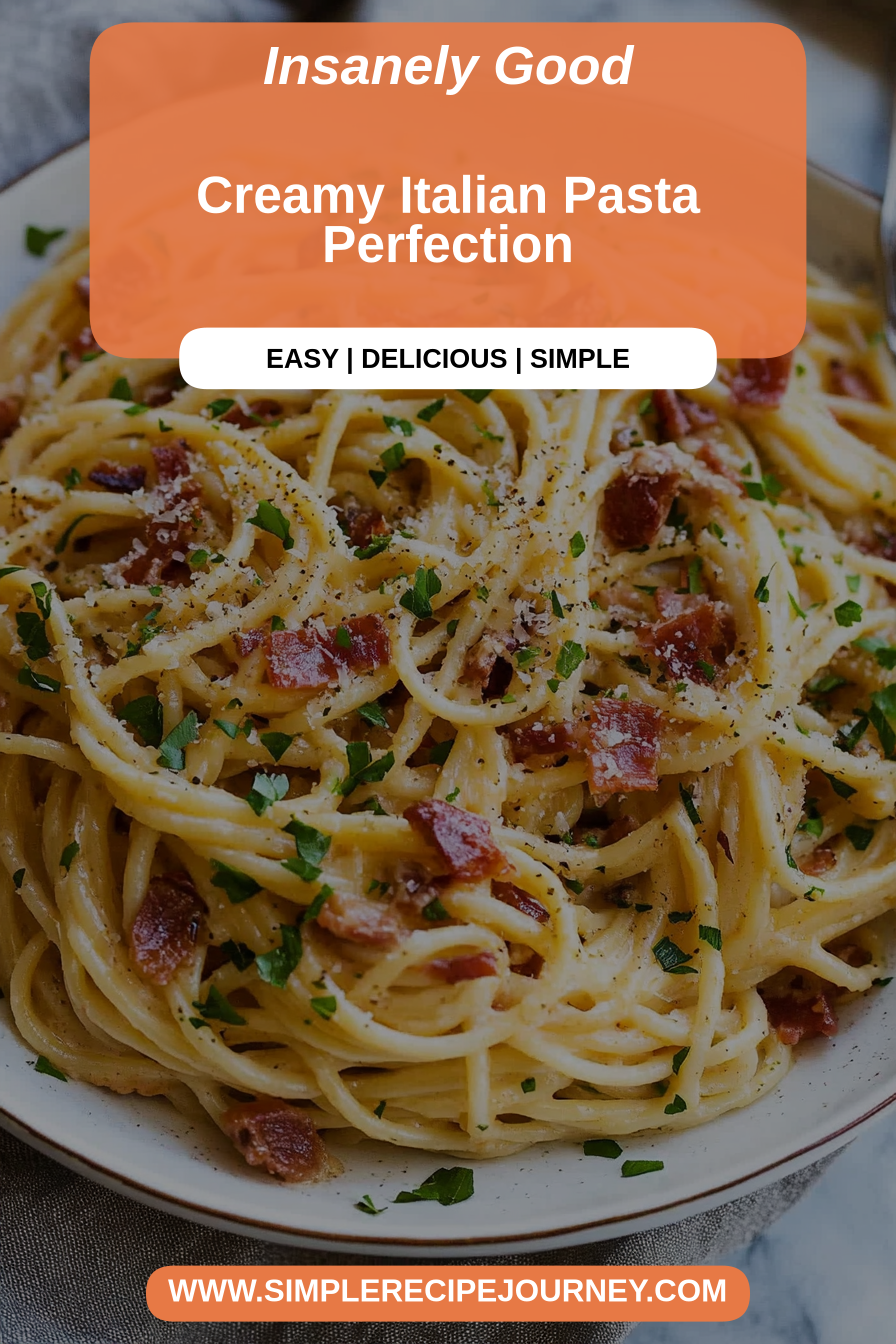
Classic Pasta Carbonara
Ingredients
Method
- In a large skillet, cook the pancetta or guanciale over medium heat until crisp and the fat has rendered. Remove the meat with a slotted spoon and set aside on a paper towel-lined plate. Leave about 2 tablespoons of rendered fat in the skillet.
- Meanwhile, bring a large pot of generously salted water to a boil. Add the spaghetti and cook according to package directions until al dente.
- While the pasta is cooking, whisk together the whole eggs, egg yolk, grated Pecorino Romano, and freshly ground black pepper in a medium bowl.
- Before draining the pasta, reserve about 1 cup of the starchy pasta water.
- Drain the spaghetti and immediately add it to the skillet with the rendered fat. Toss to coat.
- Remove the skillet from the heat. Gradually pour the egg and cheese mixture over the hot pasta, tossing continuously. The residual heat from the pasta will cook the eggs and create a creamy sauce. Add about 1/4 cup of the reserved pasta water to help emulsify the sauce. Continue tossing and adding more pasta water, a tablespoon at a time, until the sauce reaches your desired consistency.
- Stir in the reserved crispy pancetta or guanciale. Taste and adjust seasoning with salt and pepper if needed.
- Serve immediately, garnished with additional grated Pecorino Romano and black pepper.