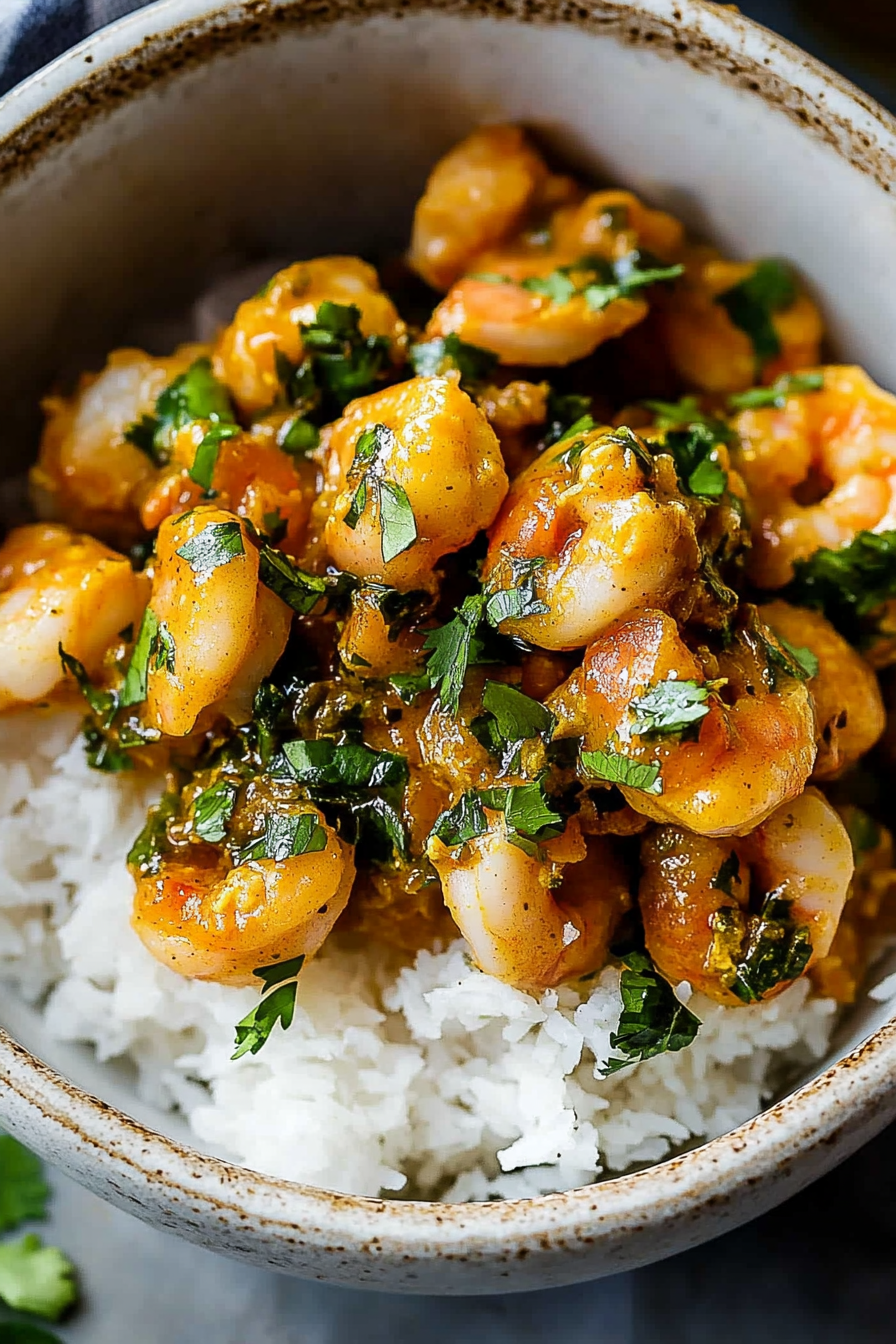
Easy Coconut Shrimp Curry Recipe
Ever have those nights when you’re craving something warm, savory, and just a little bit special—something that tastes like a hug in a bowl? That’s exactly what Coconut Curry feels like at my house. It’s funny how a simple combination of spices, coconut milk, and fresh veggies can turn into a meal that everyone gobbles up, no matter how busy or frazzled I am. I remember the first time I made this for my family—my kids asked for seconds, and my partner said it was better than takeout. That’s when I knew I found a keeper. What I love most about this recipe is how forgiving it is—you can swap ingredients, tweak the heat level, or toss in whatever’s lingering in the fridge. Plus, the smell alone when it’s simmering? Pure magic. Honestly, I always do this when I want something cozy, satisfying, but still healthy. Trust me, once you try it, it’ll become your new “go-to” comfort food too.
What is coconut curry?
Coconut Curry is basically a fragrant, creamy stew that combines the tropical sweetness of coconut milk with bold spices—think cumin, turmeric, and a pinch of chili. Think of it as a flexible, flavorsome embrace of warm spices and silky coconut that’s perfect for any day. It’s essentially an exotic take on your classic comfort food, but with much less fuss. The name itself hints at its main flavor profile—coconut and curry. While “curry” can mean different things across cultures, here in my kitchen, it’s a cozy, slightly spicy dish that’s packed with vegetables, protein, or whatever you’re craving. It’s a versatile dish that can be whipped up in under 30 minutes or simmered slowly for deeper flavor. It’s a bit like a warm hug made with ingredients you probably already have—which is probably why I keep coming back to it, especially on busy nights or when I need a quick boost of comfort.
Why you’ll love this recipe?
What’s not to love about Coconut Curry? Well, for starters, the flavor—oh, the flavor! It’s a beautiful symphony of spicy, sweet, and savory all at once. The richness of the coconut milk balances perfectly with the punch of ginger and garlic—seriously, the smell alone is enough to make anyone drool. Another thing I adore? How quick and easy it is. Once you’ve got your ingredients prepped, this comes together in less than thirty minutes, which makes it my lifesaver on busy weeknights. Plus, it’s super budget-friendly—canned coconut, some fresh veggies, maybe some chicken or tofu—and it stretches really well, too. What’s even better? It’s endlessly versatile. Want a veggie-only version? Go for broccoli, bell peppers, or carrots. Craving a protein boost? Toss in chicken, shrimp, or tofu. This dish is like a blank canvas that invites your personal touch. It’s warm, satisfying, and honestly, quite addictive—I find myself sneaking seconds every time I make it!
How do I make coconut curry?
Quick Overview
This Coconut Curry recipe is all about simplicity and flavor without the fuss. First, you warm up some oil, sauté your aromatics—think garlic, ginger, onion—and then toss in your preferred spices. Next, add in chunky vegetables or protein, pour in a can of coconut milk, and let everything simmer gently until it’s tender and infused with that irresistible curry aroma. The beauty of this dish is how forgiving it is—if you don’t have fresh cilantro, a sprinkle of parsley works just as beautifully. It’s perfect for when you want a meal that feels indulgent but is really just thrown together with pantry staples and fresh produce. Once it’s done, just serve it over rice or noodles, and you’re all set. Easy, hearty, and totally satisfying—what more could you ask for?
Ingredients
For the Main Curry: What is the best way to prepare it?
– 1 tablespoon coconut oil or vegetable oil
– 1 onion, diced
– 3 cloves garlic, minced
– 1 tablespoon fresh ginger, grated
– 2 tablespoons curry powder (adjust to taste)
– 1 teaspoon turmeric (optional but adds color and warmth)
– 1 can (13.5 oz) coconut milk
– 1 cup vegetable broth or water
– 2 cups mixed vegetables (bell peppers, carrots, broccoli, etc.)
– 1 pound protein of choice (chicken, tofu, shrimp, etc.)
– Salt and pepper to taste
– Fresh cilantro or parsley for garnish
Optional Add-ins:
– Lime juice for brightness
– Red chili flakes if you like it spicy
– A splash of soy sauce or fish sauce for umami richness
Step-by-Step Instructions
Step 1: Preheat & Prep Pan
Heat your favorite heavy-bottomed skillet or pot over medium heat. Add your coconut oil and let it melt. This is where the kitchen magic begins—the aroma of melting coconut oil is just the start of this journey. Once hot, toss in your diced onion and cook for about 3-4 minutes until it turns translucent and fragrant. Keep stirring so it doesn’t stick. While that’s happening, prep your garlic and ginger—these are the flavor powerhouses, so don’t skimp!
Step 2: Mix Dry Ingredients
In a small bowl, measure out your curry powder, turmeric, and any other spices you’re using. I always do this first so I can add everything quickly once the aromatics are ready. This step helps prevent clumping and ensures even distribution of flavors in your curry—trust me, it makes a difference.
Step 3: Mix Wet Ingredients
Open your can of coconut milk. Give it a little stir in the can—it tends to separate, and you want that creamy goodness dispersed. Have your broth nearby to add in later, if needed. The consistency should be smooth and luscious, just waiting to be infused with flavor.
Step 4: Combine
Add your minced garlic and grated ginger to the onions, stirring for about 30 seconds until fragrant. Then sprinkle in the spices, letting them toast slightly for a minute. Pour in the coconut milk and broth, stirring well to combine. Bring everything to a gentle simmer—this is where the magic really starts. The house will smell incredible, I promise!
Step 5: Prepare Filling
If you’re adding protein, now’s the time. For chicken, I usually cut it into bite-sized pieces and cook it right in the sauce until browned and cooked through. Tofu? Sauté it beforehand to get some crispy edges. Vegetables? I prefer chopping them into similar sizes for even cooking. Feel free to switch it up based on what you’ve got—this dish loves improvisation.
Step 6: Layer & Swirl
Once your protein and veggies are in the pot, give everything a good stir. If you want a prettier swirl or marbled look, I like to add dollops of coconut milk on top and gently swirl with a spoon. No perfection needed here—some streaks of coconut and curry spices make it look homey and inviting.
Step 7: Bake
If you prefer, you can simmer this on the stovetop for about 15-20 minutes until the vegetables are tender and flavors melded. Alternatively, pop it in a preheated 350°F oven uncovered for a gentle bake that concentrates the flavors. Just make sure to stir halfway through. Keep an eye on it—it’s done when the sauce has thickened slightly, and the smell is irresistible.
Step 8: Cool & Glaze
Once cooked, let the curry rest for a few minutes. Just enough time to prepare your rice or noodles. If you’re using a glaze or garnish, now’s the moment. I usually sprinkle fresh herbs or squeeze lime for brightness. If you want a glossy finish, a quick drizzle of coconut cream right before serving is divine.
Step 9: Slice & Serve
Dish it up over steaming rice or tossed with noodles—whatever you prefer! For a pretty presentation, I ladle it carefully, letting some sauce drip over the sides. Garnish with extra herbs, red pepper flakes, or a squeeze of lime. This dish is best enjoyed hot, straight from the pot, with a side of napkins and maybe some toasted naan if I’m feeling fancy.
What to Serve It With
Ah, the options! Coconut Curry is incredibly versatile, and I’ve served it countless ways. For breakfast chic, I love spooning leftovers over a fried egg and a toasted bagel—to me, it’s like Indian-inspired shakshuka. At brunch, I set a big platter of rice, some crunchy naan, and a side salad with fresh lime—everyone leaves full and happy. As a dinner, it pairs beautifully with simple steamed jasmine rice or soba noodles, letting the flavor do all the talking. I even toss in a quick cucumber raita or a mango salsa for a contrast of textures and flavors. And when I want to keep things cozy, I just ladle it into warm bowls, curl up on the couch, and enjoy—comfort food at its very best. Honestly, it’s become a family favorite—my kids ask for it every week, and I never tire of the creamy, spiced warmth.
Top Tips for Perfecting Your Coconut Curry
After making this countless times, I’ve picked up some tricks to make it even better. First, when prepping your vegetables, always pat them dry after washing—moisture can dilute the sauce. I’ve learned that grating the ginger fresh really makes a difference; the flavor is so much brighter than dried powder. If you want a smoother, creamier curry, try blending a small portion of the coconut milk with cooked sweet potatoes or carrots before adding back into the pot—trust me, it’s a game-changer for thickness and flavor. When adding protein, I prefer to sear or sauté it separately first for extra flavor—that caramelized edge adds depth. Swirling the coconut milk at the end gives it a beautiful marbled look and balances out the spiciness. Oh, and don’t forget: always taste and adjust the salt and spice levels at the end—what’s perfect one day might need a little extra zing the next. Experiment with herbs like basil or mint if you’re feeling adventurous. I’ve also tested using almond milk instead of coconut, and it’s surprisingly good—though not quite as rich, so if you’re watching calories, it’s a nice swap. The key is, don’t overcook the veggies—al dente keeps them crisp and vibrant. And finally, for an extra layer of flavor, a splash of fish or soy sauce can add umami without overpowering the dish. This dish has taught me to be flexible and to listen to my palate—sometimes the best ideas come from happy accidents in the kitchen.
Storing and Reheating Tips
This dish keeps surprisingly well, which makes it a favorite for leftovers. I usually let it cool completely at room temp, then transfer it to an airtight container. It’ll stay fresh in the fridge for about 3 days—perfect for quick lunches. If you’re refrigerating, I recommend re-heating it gently on the stovetop, stirring occasionally to prevent sticking or burning. Microwaving works, too, just do it in short bursts to avoid losing too much creaminess. For longer storage, the freezer is your friend—just portion it out and wrap tightly in plastic wrap or store in a freezer-safe container. It’s good for up to a month, and if you’re craving a quick dinner, just thaw overnight in the fridge and reheat. When reheating from frozen, do so slowly to retain that luscious texture. I’ve tried adding a splash more coconut milk or broth during reheating to bring back the creaminess that sometimes softens after sitting—it works like a charm. As for adding the glaze or fresh herbs? I recommend doing that just before serving, so they stay vibrant and flavorful. Trust me, leftovers can taste even better the next day—think of it as developing more flavor overnight.
Frequently Asked Questions
Final Thoughts
If you haven’t tried making Coconut Curry at home yet, I honestly think you’re missing out on one of those dishes that’s as comforting as a warm blanket. It’s a little bit exotic, a little bit familiar, and totally customizable to whatever ingredients you’ve got lying around. Plus, it’s so forgiving—over the years, I’ve added more spice, fewer veggies, or swapped ingredients in and every batch turns out delicious. It’s become my “secret weapon” for impressing friends on a weeknight, yet it’s so easy I don’t feel like I’m slaving away in the kitchen. The smell alone is enough to turn any day into a celebration. Once you make this once, I bet you’ll find yourself craving it on repeat. So go ahead, gather some coconut milk, toss in those colorful vegetables, and let the magic happen. I’d love to hear how yours turns out—leave a comment, rate it, or share your own twist! Happy cooking, friends!
Thai Coconut Curry with Chicken
Ingredients
Method
- Heat olive oil in a large skillet over medium heat. Add diced onions and cook until translucent, about 3 minutes.
- Add minced garlic and Thai red curry paste; sauté for 1 minute until fragrant.
- Add chicken breasts, cut into strips, and cook until browned, about 5 minutes.
- Pour in coconut milk and add chopped bell peppers and fish sauce. Stir well.
- Simmer the mixture for 10 minutes until the chicken is cooked through and sauce thickens.
- Stir in chopped cilantro before serving. Serve hot over rice or noodles.